
Holly Norris Didn't Choose to be Homeless
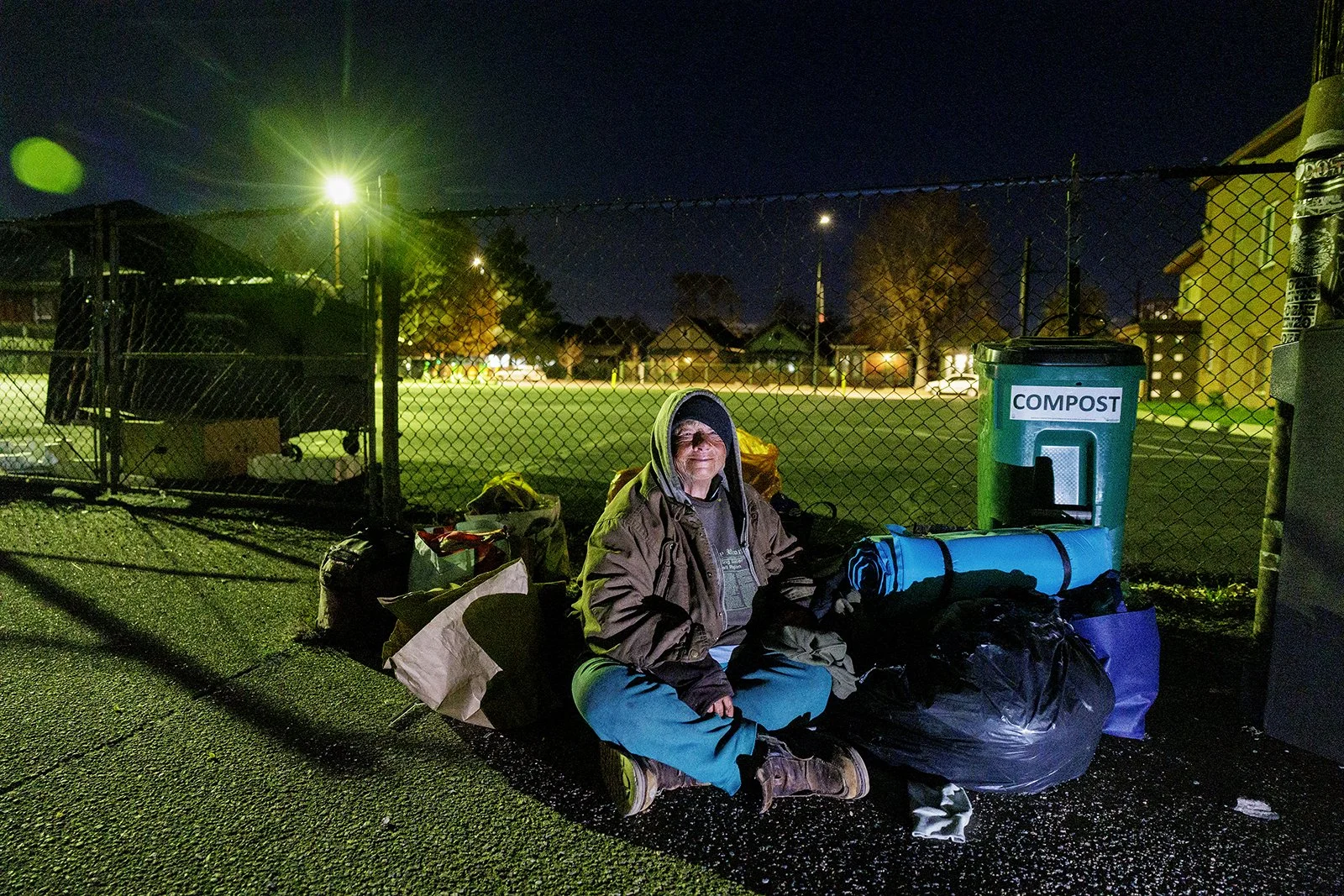
Surrounded by her belongings, Holly Norris sits in the alley between Santa Fe Drive and Kalamath Street.
Story and photos by Giles Clasen
Holly Sue Norris counts blankets the way other people count hours of sleep.
As winter settles in, staying alive outside often comes down to layers and luck.
“More blankets,” Norris said when asked how she prepares for cold nights.
Norris has lived unsheltered for more than a decade. Her story cuts through one of the most common myths about homelessness: that people living on the streets choose to be there.
As cities debate enforcement, shelter capacity, and public safety, Norris’ experience reflects what data shows: homelessness is rarely a choice, and survival often comes at the cost of stability, safety, and dignity.
Data from Metro Denver Homeless Initiative’s recent “State of Homelessness” report also challenges common misconceptions. More than 94% of people experiencing homelessness in the Denver metro area reported they did not choose to be homeless.
People like Norris make up that overwhelming majority. Norris, who thinks she is 73 but acknowledged she could be a little older or younger because time is hard to track when living on a sidewalk, said her life outside has been shaped less by personal choice than by a combination of family breakdown, city ordinances, and constant displacement.
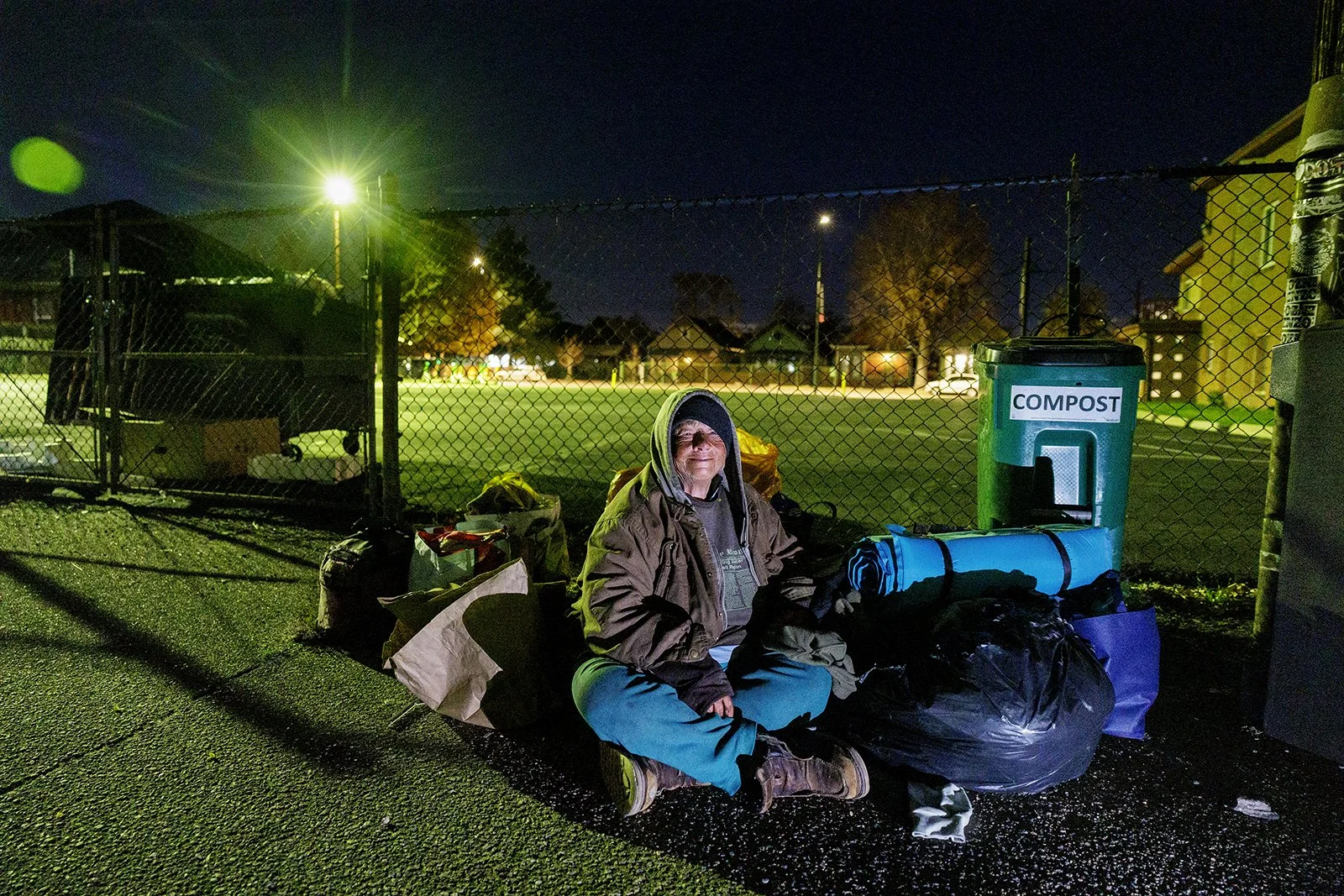
Holly Norris came to Denver by bus. She didn’t know anyone in the Mile High City. She didn’t have any leads on housing or resources.
Norris said she was sent to Denver by the Grand Junction police, who offered her a ride to Denver or an arrest for loitering.
According to Norris, city ordinances, like laws against trespassing, littering, and loitering, put every cop, security officer, or other authority figure against people like her. Police enforcement makes it nearly impossible to stay safe or hold onto possessions.
When she arrived in Denver, Norris told herself she was done moving. She decided she would set up camp and stay put until someone offered her housing.
She stayed in the alley between Santa Fe Drive and Kalamath Street near 10th Avenue for more than two weeks.
The Denver VOICE contacted the city’s Department of Housing Stability, requesting a welfare check and potential housing assistance. Outreach teams with the Colorado Coalition for the Homeless were also contacted. Neighbors called 911, and police checked on Norris; the city’s Support Team Assisted Response also was dispatched to check on her.
“To come to a site like this and have a woman who’s 73 and not be able to get her into housing, it breaks my heart, and it just shows that the system is so broken,” said Makenna Stark, an outreach worker with STAR.
Stark has lived through homelessness herself. She said the limitations of the broader system are evident in daily outreach work. She sees a safety net that fails to meet the needs of the unhoused community.
“I see it with police, I see it with EMS, how people get taken to the hospital, and then they’re just shot back out,” Stark said. “They’re treated poorly. They’re not treated the same. There’s a very different standard of care for the homeless population.”
The network of homeless service providers can be difficult for individuals to access when they lack resources
and transportation, Stark said. “It’s hard to navigate [the system] even when you’re at your highest functioning self, so people who are struggling on the streets don’t have a chance, especially when there’s so few places for housing,” Stark said.
Even if someone can seek help, there aren’t enough shelter beds or housing options to meet the need.
“We really value that opportunity to help people navigate the system and get them where they need to go,” Stark said.
Shana Delwiche, who is a STAR clinician, said the outreach teams try to help people access the resources available in Denver, while acknowledging the system is overwhelmed.
“We have an opportunity to connect with people who are underserved and are being pressed by the system and lack access to the resources,” Delwiche said. “We don’t have enough resources for all of these people, and it’s really sad.”
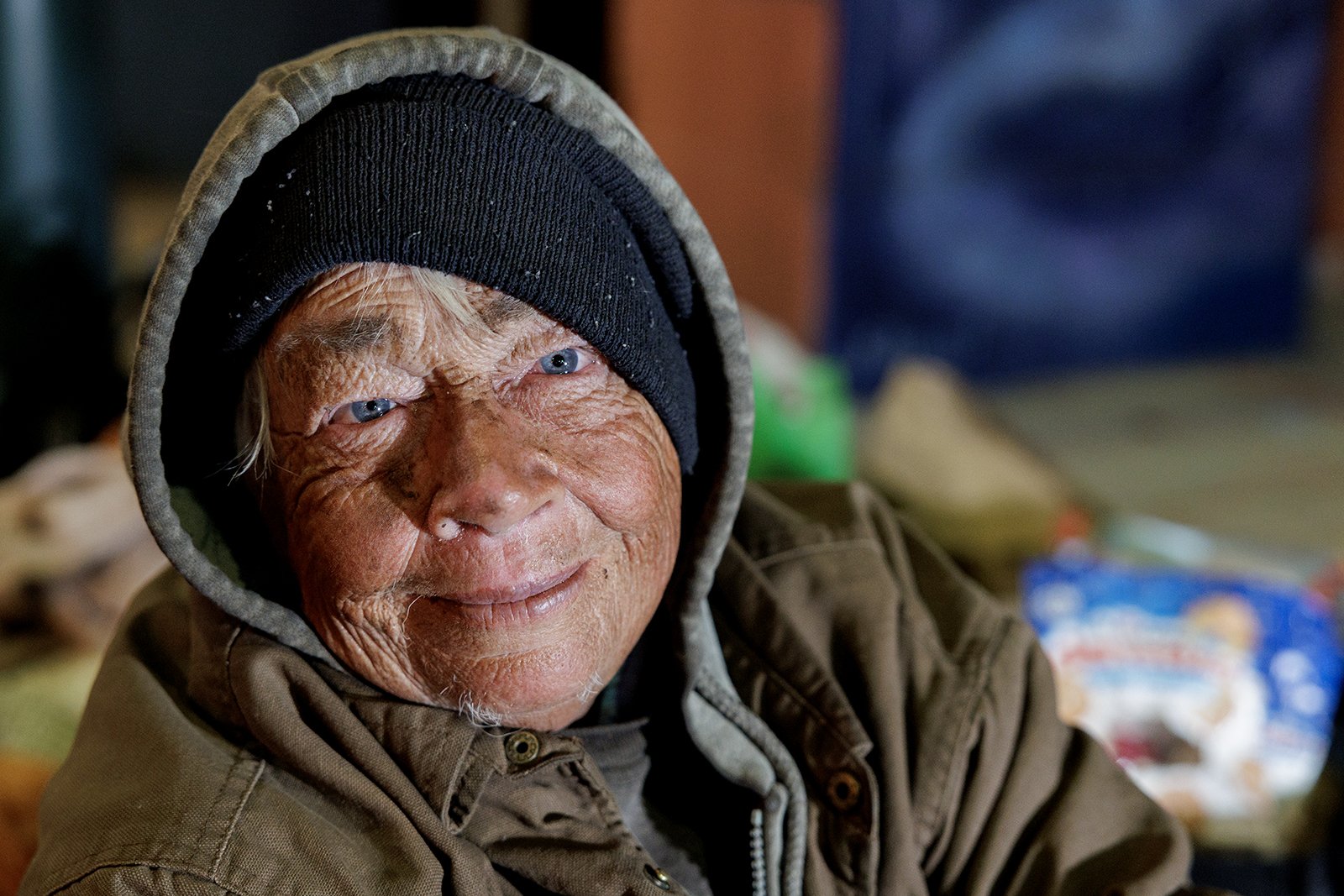
Norris, who thinks she is 73 but acknowledged she could be a little older or younger because time is hard to track when living on a sidewalk, said her life outside has been shaped less by personal choice than by a combination of family breakdown, city ordinances, and constant displacement
The November night that Stark and Delwiche checked on Norris was cold and snowy, so they offered to take her to a warming center. Norris declined because she couldn’t take her few possessions with her. She feared losing her bags of clothing, soda, blankets, and ground mats, which would leave her too vulnerable once she was back on the street.
“The [biggest] threat is losing my stuff again because every person and their dog will jack it from me to pad their palace,” Norris said. “The more I try to hold on to it, the more they try to get it.”
For people living outside, belongings are survival. Blankets, identification, medications, and documents can mean the difference between life and death, especially as temperatures drop
This winter, as the weather grew colder, Moms for Social Justice, a Denver-based Facebook group, donated some sleeping bags to help keep Norris warm.
Asked why she has not been able to get off the streets during the past 10 years, Norris did not describe a lack of effort. She described barriers. She listed housing prices, minimal income from social
security, a physical body that can’t work, and impossible wait times for housing vouchers.
Norris doesn’t have a case manager, a phone, or an advocate, she said. She doesn’t know where to start to get resources.
A little more than two weeks after Norris set up camp in the alleyway and the subsequent outreach efforts were underway, Norris and her belongings were gone. Her whereabouts were unknown at the time this issue was published. Norris had said she would not move anywhere but into housing. Her campsite did not show signs of a hurried displacement: the site was clean. It looked as if a human had never lived there.
But Norris’ disappearance doesn’t guarantee safety or housing. For people living outside, unknown whereabouts signify they were moved along again.
Norris’s story underscores what the data makes clear: the majority of people experiencing homelessness do not choose it. Many are navigating loss, displacement, and a system that moves them along without offering a place to land.
For the past 10 years, Norris never had the choice to be housed. The only choice she could make was about how to survive another night outside.