
The Salvation Army Emergency Disaster Services: From First Response to Full Recovery
by Jennifer Clarke
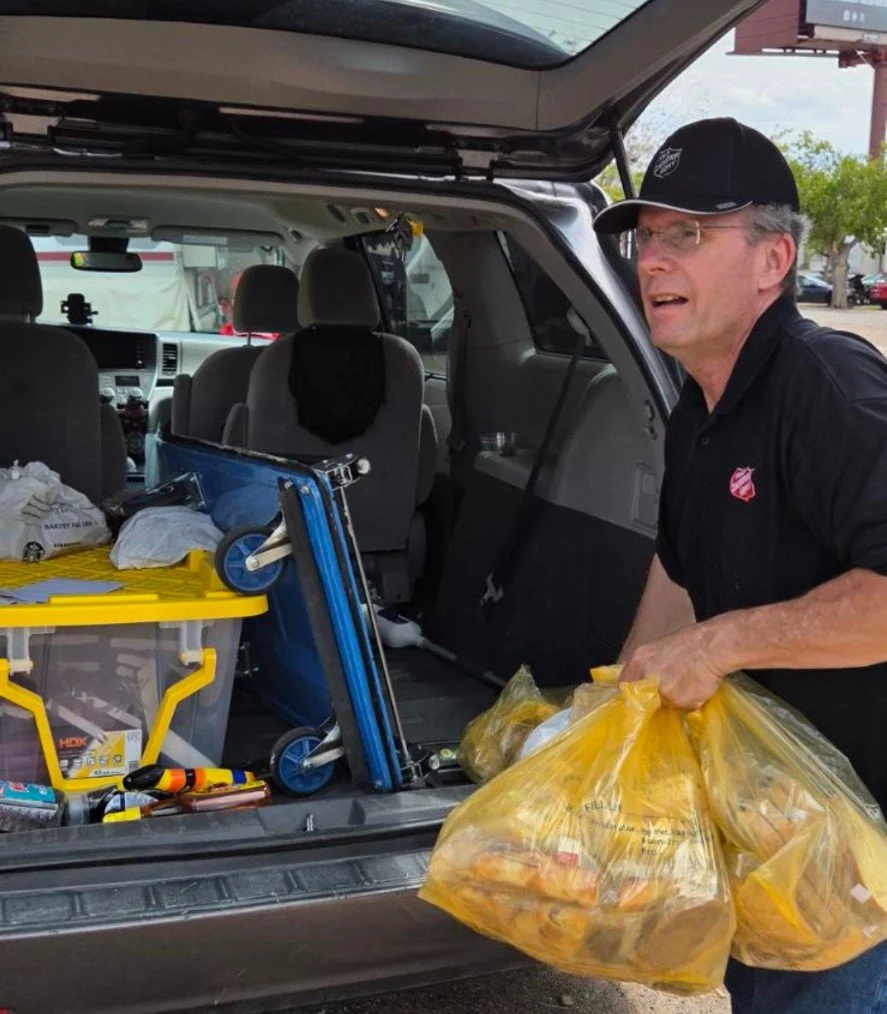
Major Bob Schmig delivers food to partners and volunteers on the ground during the Beaver County flooding cleanup in August 2026. Photo by The Salvation Army Intermountain Division
When disaster strikes Colorado, help doesn’t always come from the community where the disaster occurred.
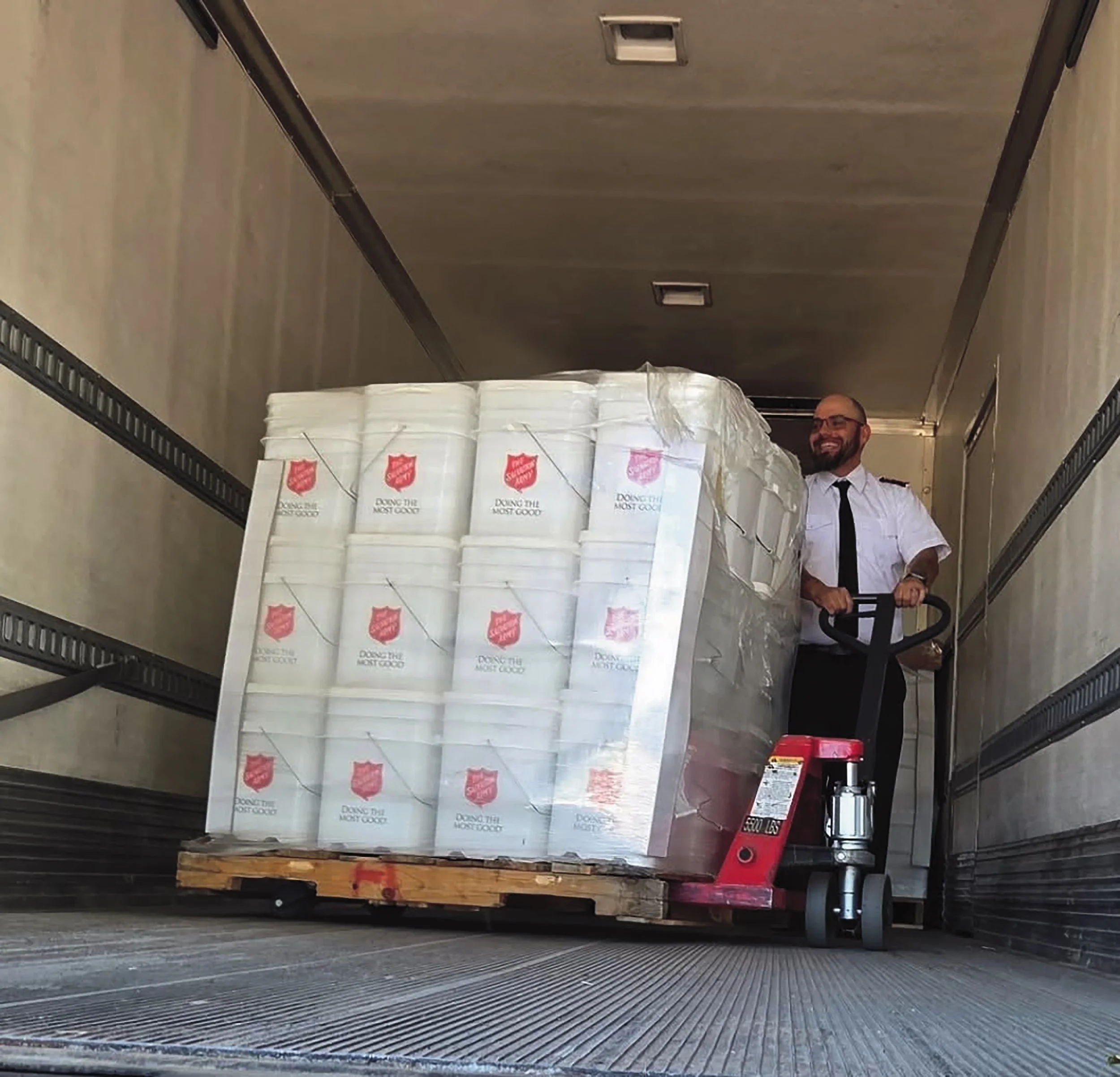
Captain Randy Stokes delivers clean-up kits in response to the Aspen Acres Fire in July 2026. Photo by The Salvation Army Intermountain Division
Sometimes it comes from neighbors hundreds of miles away.
Here in the Denver metro area, The Salvation Army is part of a statewide and regional network ready to mobilize when wildfires, floods, and other disasters devastate communities. From providing meals and hydration to supporting first responders, volunteers, and displaced families, The Salvation Army Emergency Disaster Services team steps in wherever the need is greatest.
And its commitment doesn’t end when the flames are extinguished or the floodwaters recede.
“The Salvation Army will be alongside our neighbors from the first response until full recovery,” said Major Nesan Kistan, divisional commander of The Salvation Army Intermountain Division.
That promise is being put into action this summer as Salvation Army teams respond to fires and flooding across Colorado and Utah, including the Aspen Acres Fire near Pueblo, Gold Mountain Fire near Ouray, Willow Fire near Leadville, Ferris Fire near Dolores, and the Cottonwood and Iron fires in Utah.
For Denver-area residents, these disasters may feel far away. But they are a reminder of just how quickly a Colorado community can be turned upside down, and why having an experienced disaster-response organization ready to mobilize matters.
WHEN THE DISASTER IS OVER – IT ISN’T OVER
A disaster response is about much more than the first 24 hours. Once the smoke clears and the water recedes, families can be left facing damaged or destroyed homes, contaminated water, disrupted roads, lost belongings, and months of uncertainty.
The Salvation Army fills those gaps. Depending on the community’s needs, Emergency Disaster Services may provide meals, hydration, hygiene kits, cleanup supplies, gift cards, temporary lodging assistance, and emotional and spiritual care. Teams also support the volunteers and recovery crews doing the hard work of rebuilding.
In Beaver County, Utah, that long-term commitment is especially visible. Following the destructive Cottonwood Fire, severe flooding brought another wave of devastation. Homes were damaged or destroyed, roads were impacted, water systems were contaminated, and residents faced enormous cleanup efforts after devastating flooding. As of mid-August, The Salvation Army was still on the ground helping Beaver County residents recover by providing food and gas cards, assisting with cleanup, and helping mobilize volunteers and donated supplies.
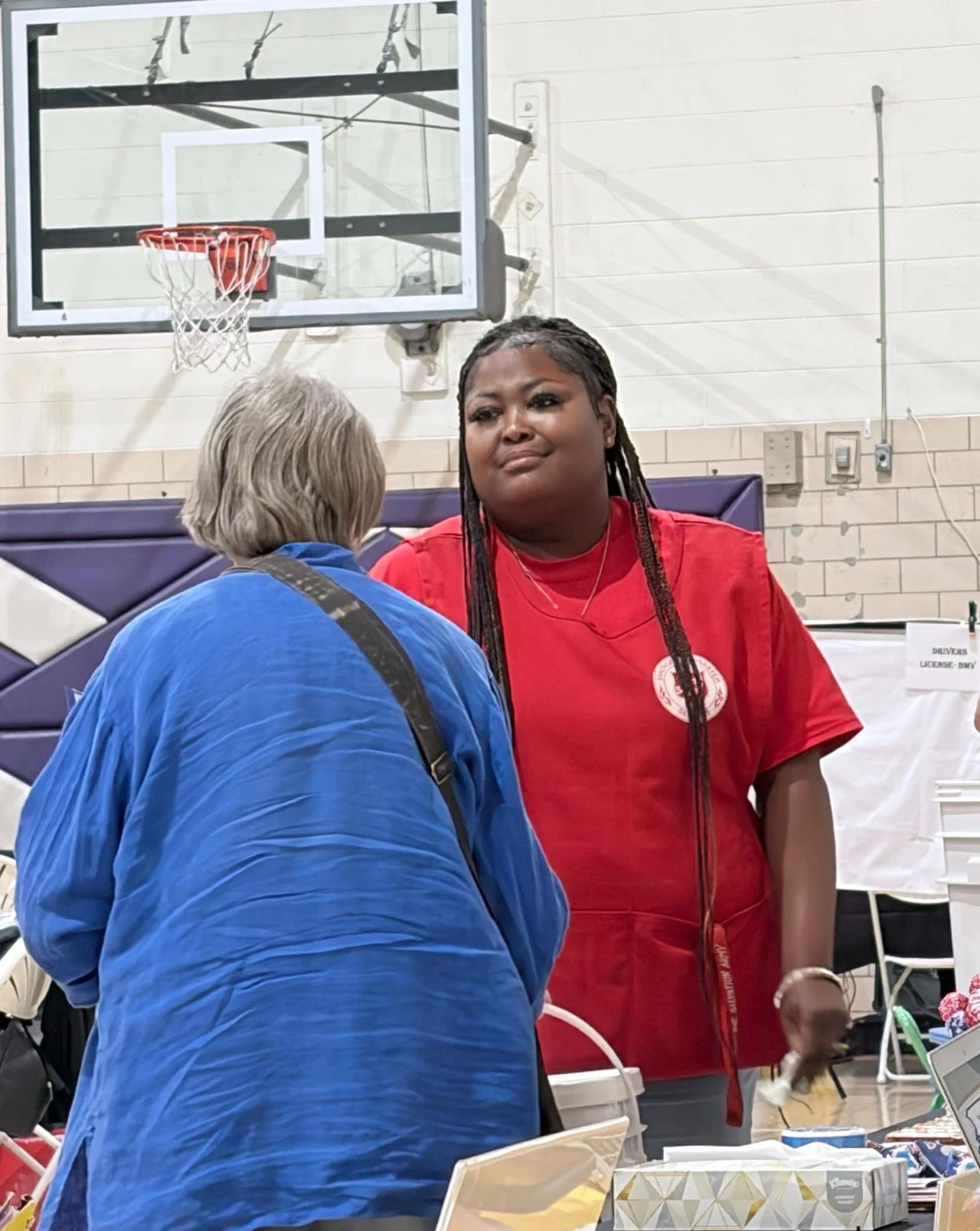
Photo by The Salvation Army Intermountain Division
Led by Majors Karen and Bob Schmig, who operate The Salvation Army’s St. George Outpost, the response also includes meals for volunteers and recovery crews.
“We will continue providing this assistance for our neighbors in Beaver County for as long as our support is needed,” said Major Karen Schmig.
DENVER CAN HELP COMMUNITIES RECOVER
For Denver-area residents, the lesson is simple: Disaster recovery is a marathon, not a moment.
The ability to respond quickly and stay for the long haul depends on having trained people, equipment, volunteers, and resources ready before disaster strikes.
The Salvation Army’s Emergency Disaster Services program is powered by that infrastructure and by the generosity of people who believe that when their neighbors face their darkest moments, a helping hand should be there.
A disaster may happen in Pueblo, Ouray, or Beaver, Utah, but the response is something all of us can be part of.
A donation from a Denver-area neighbor can help provide a meal to a displaced family. It can help put gas in the tank of someone trying to reach temporary housing. It can provide cleanup supplies to a homeowner beginning the overwhelming process of putting life back together.
Because recovery doesn’t end when the headlines do.
Across Colorado, Utah, Montana, and Wyoming, The Salvation Army Intermountain Division continues helping communities move forward – one meal, one family, and one community at a time – during disasters and every day. From Denver to the farthest corners of the Intermountain Division, the message remains the same: When disaster strikes, The Salvation Army will be there – from the first response until full recovery.