
Denver’s Street Engagement Team Aims to End Unsheltered Homelessness Across the City
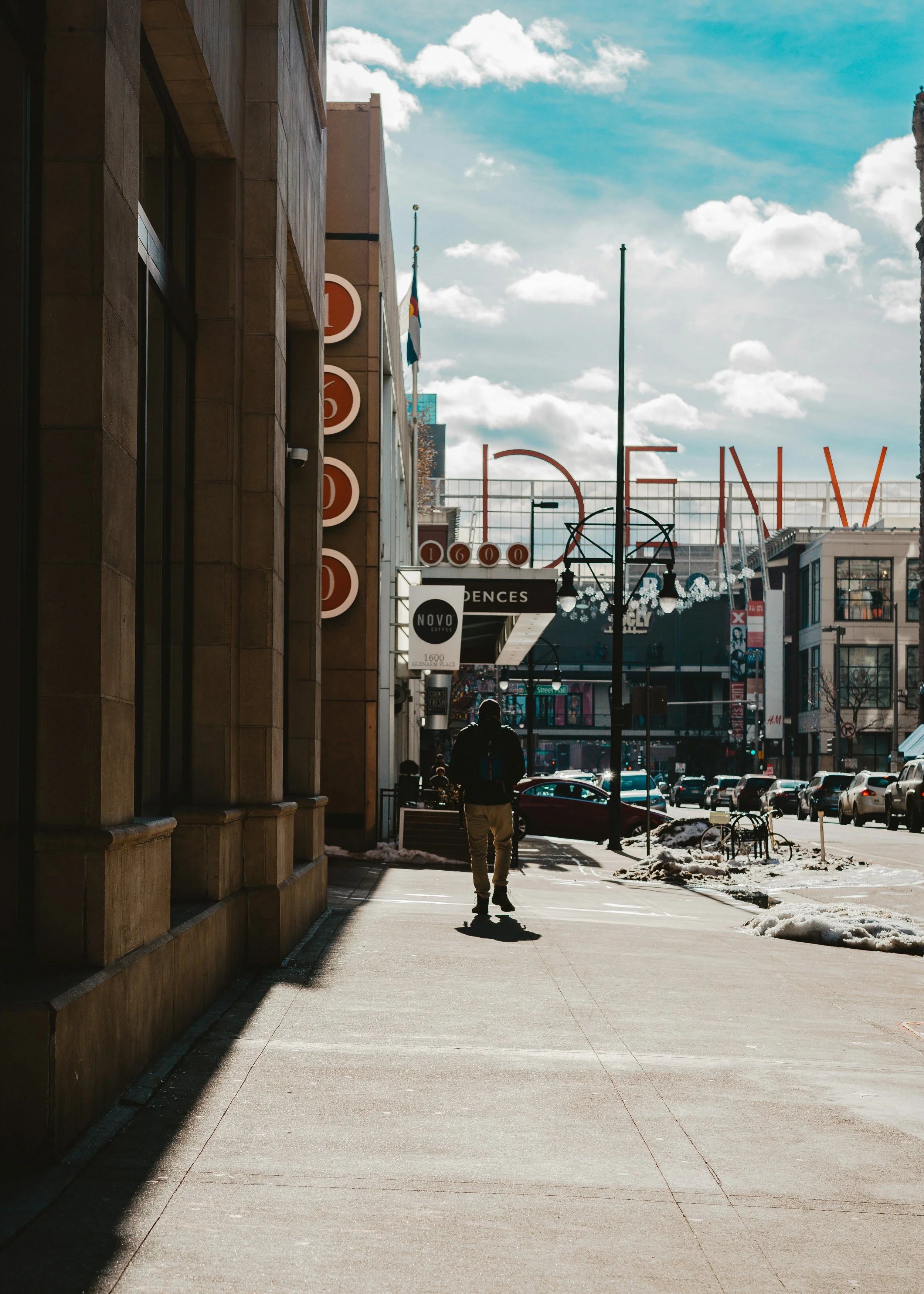
Photo: Eric Francis/Unsplash
by Nahila Bonfiglio
Denver has one of the largest homeless populations in the United States, according to data from 2025. A report from the Department of Housing and Urban Development names only three areas — New York City, Los Angeles, and Seattle — that boast larger homeless populations than the Mile High City.
The issue is ongoing, but with Denver’s street engagement team's help, real work is being done to tackle homelessness across the city. In a July 15 presentation to Denver City Council’s Health and Safety Committee, representatives from the mayor’s office underlined the efforts being taken to balance support for those experiencing homelessness with support for residents, businesses, and homeowners with complaints. Among their most ambitious stated goals was to completely end unsheltered homelessness across Denver. They did not give a precise timeline for this goal.
Addressing homelessness across Denver continues to present major challenges to the teams tasked with resolving the issue. Erin Atencio, director of Roads to Recovery, a mayoral initiative that “supports individuals with complex mental health and substance misuse needs,” addressed the committee alongside Director of Mayoral Initiatives Megan Rohrer. Both women underlined the ongoing challenges faced by a smattering of Denver organizations working to improve the situation for homeless and unhoused people.
Part of the challenge comes from the diverse needs of residents, both housed and homeless. A major goal of the street engagement team is to secure “the right response to the right person,” ensuring that individual needs are met. Not every issue requires police presence, and Denver’s street engagement team seeks to parse the various problems experienced by Denver citizens to “balance out support” for the city’s homeless population with various teams, from park rangers to police officers. Ensuring that resources are allotted to the right place at the right time is a high priority for the organization.
Since February 2026, city teams have received 2,496 calls for street engagement action. Many of these relate to RVs being parked illegally or in unsafe areas, a challenge that continues to stymie local officials and Denver programs. The issue of removing RVs is challenging, and additional factors — such as whether the RV is drivable — muddy the waters further.
Despite the ongoing challenges in the initiative, compassion was the central focus of the city council discussion. Council President Amanda P. Sandoval highlighted the unique situation many Americans find themselves in and emphasized the need for programs like the street engagement team.
“It's such a complicated issue,” she said. “It’s really expensive to live in Denver … and the economy [here] is not thriving the way it used to.”