Denver’s HRAC Fights Through Limited Funding to Provide Vital Care for Coloradans in Need
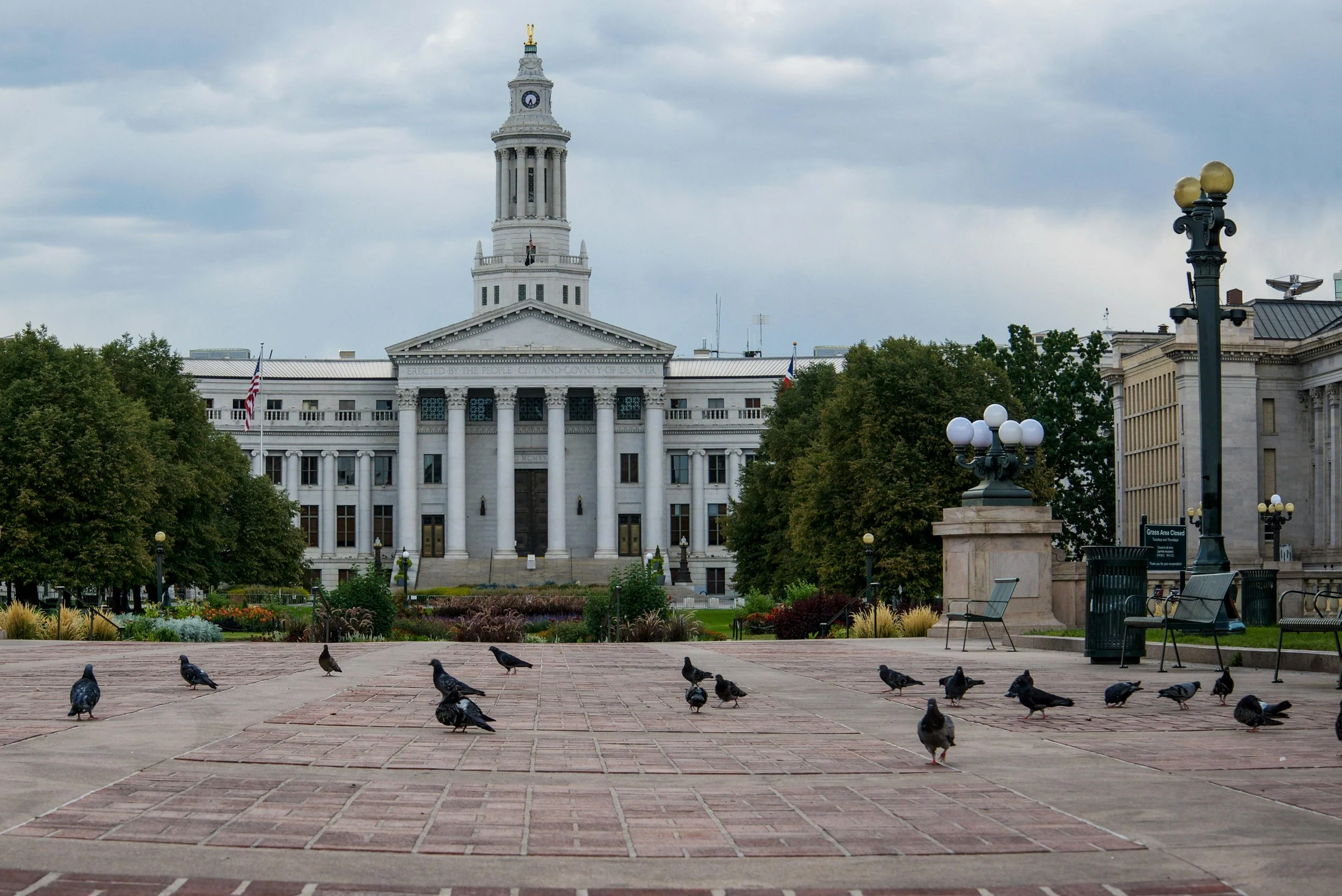
Photo: Andrew Patrick Photo/Pexels
By Nahila Bonfiglio
Colorado’s Harm Reduction Action Center (HRAC) stands as a sentry against fatal overdoses across Denver and surrounding communities.
Part of HRAC’s approach to promoting public health, the Colorado Ryan White Program was created to address challenges in accessing care among Coloradans. Enacted in 1990, the program became a vital resource when high deaths related to HIV ravaged the nation and state. In the years since, it has grown into a robust program geared toward providing care for low-income and underinsured people living with HIV/AIDS. The program honors Ryan White, an Indiana teen who, following an HIV diagnosis at only 13 years old, fought against stigma to attend his school.
The principles that led to the Ryan White Program’s inception continue to drive efforts across Colorado. Now in its 33rd consecutive year of funding, the program directs its resources toward various needs across the state. It, along with HRAC and Colorado’s HIV/AIDS strategy — fondly called COHAS — serves more than 5,000 individuals across the state. Services provided include direct medical and oral care, housing assistance, and transportation services, among others.
In an April 29 address to Denver’s Health and Safety Committee, Robert George and Kelly Brevard of the Denver Department of Public Health and Environment provided a glimpse into what HIV looks like across Colorado. Data shows that a full 70% of Coloradans living with HIV are located in the Denver area. Of that number, several key populations are disproportionately impacted.
Colorado’s Black community is by far the most affected, followed by the Hispanic and Indigenous populations. Despite representing only 4% of Colorado’s population, “Black non-Hispanic” people made up 15% of new HIV diagnoses in 2024. Hispanic and Latino communities are also particularly hard hit, most specifically among those aged 15 to 29.
Viral suppression, or the reduction of HIV in a person’s blood, was a major focus of the presentation. Colorado has a 68% viral suppression rate. As noted by George, the rate shows "there's some work we need to do” across the state, but the efforts already underway make a difference in the day-to-day of those living with HIV/AIDS, according to a survey. Respondents who access Ryan White services detailed, in the survey, stated that the program provides a consistent improvement in quality of life.
A major concern raised by both council members and presenters was federal cuts to Medicaid. Those cuts will affect people living with HIV/AIDS across Colorado, and the impact of those cuts has yet to be determined. The program is already preparing to address upcoming challenges, but it faces hurdles of its own.
The plan outlined during the April 29 meeting will cover five years, starting in 2027. Funding for the Ryan White Program is already confirmed for 2026, but several areas remain at constant risk of being cut. Each aspect of the program is entirely necessary, according to those familiar with it, and the cuts to Medicaid will “harm communities” across the state.
Lisa Raville, executive director of HRAC, explained in an email that the center continues “to be a collaborative partner for a healthier and safer Denver.” According to Raville, the city is in “the worst overdose crisis we have ever been in, with the most unregulated drug supply we have ever seen,” and as a result, “Harm Reduction Action Center's services have never been more critical.”

Nahila Bonfiglio
Nahila Bonfiglio is a seasoned reporter with a passion for social justice, politics, and all things geek. She puts her degree from the University of Texas at Austin to good use, reporting on issues surrounding homelessness and substance misuse. Born and raised in Colorado, she maintains a deep love for the Centennial State and for the diverse people who populate it. Her work has been featured alongside the greats at NPR, Nautilus Magazine, Daily Dot, and WGTC.